
Digital stalking and online exposure are no longer niche concerns reserved for celebrities or high-profile executives. They are everyday risks affecting employees, parents, teenagers, and organizations of all sizes. As more of our lives move online, the amount of personal and professional information available to strangers has grown exponentially and so have the threats tied to it.
What is digital stalking?
Digital stalking is the monitoring, tracking, or exploitation of personal information through online platforms, digital tools, or public data sources to harass, impersonate, or target individuals or organizations.
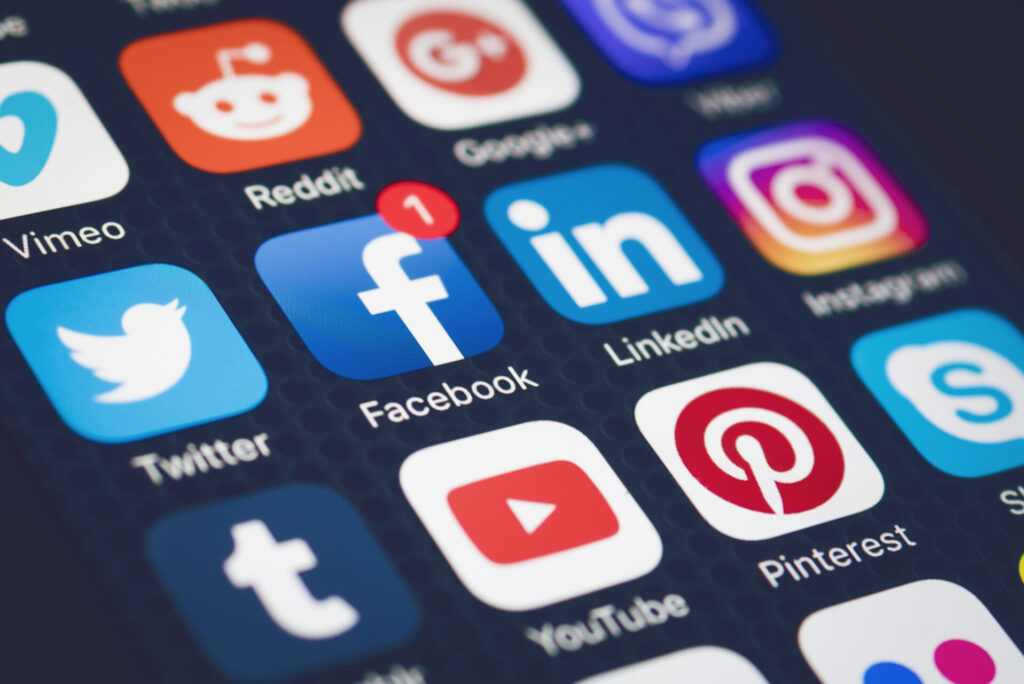
What we share online, where we share it, and how we protect access to our digital spaces can either reduce risk or unintentionally invite it. Digital stalking often begins quietly. It can involve monitoring social media activity, tracking location data, harvesting personal details from public records, or exploiting weak passwords and unsecured accounts.


Over time, this information can be used for harassment, impersonation, financial fraud, doxing, or physical targeting. For organizations, these same risks extend into executive exposure, employee safety, reputational damage, and financial loss.
How online threats escalate quickly.
The scale and speed of online threats are accelerating. According to the Federal Bureau of Investigation Internet Crime Complaint Center, reported cybercrime losses in the United States exceeded ten billion dollars in a single year, with phishing, credential theft, and impersonation schemes leading the way.
The Federal Trade Commission continues to report sharp increases in identity theft, social media scams, and account takeovers, many of which begin with information individuals unknowingly share online.
Research cited by Cybersecurity Ventures estimates that cybercrime costs will reach trillions globally in the coming years, driven by automation, artificial intelligence, and the ease with which attackers can access personal data.
Perhaps most concerning is how quickly compromise can occur. Studies consistently show that weak or reused passwords can be cracked in minutes, sometimes seconds. Once access is gained to one account, attackers often pivot to others using saved credentials or password recovery features.

Digital stalking risks in personal and professional life.
Digital stalking does not always look like overt threats. It often begins with passive observation. Examples can include monitoring social media posts for routines or locations, tracking children through shared photos or school information, exploiting public employee directories, using data broker sites to gather addresses and phone numbers, or accessing unsecured accounts through password reuse.
For parents, children and teenagers are especially vulnerable. Photos, usernames, gaming platforms, school activities, and location sharing features can reveal far more than intended.
For organizations, digital stalking can expose leadership travel patterns, facility layouts, employee schedules, and internal systems.
This is where digital vulnerability assessments and online threat monitoring become essential components of modern safety planning.
What not to do online at work or at home.
Many digital risks stem from everyday habits that feel harmless.
- Avoid sharing real time locations publicly on social media or through apps unless absolutely necessary. Posting vacation photos while away or tagging children’s schools and activities can unintentionally advertise when homes or routines are unprotected.
- Avoid using the same password across multiple platforms. A breach on one site can open the door to banking, email, cloud storage, and internal work systems.
- Avoid storing sensitive information in unsecured notes, shared documents, or unencrypted password managers.
- Avoid oversharing personal details such as birthdates, addresses, pet names, or family relationships which are commonly used in password recovery questions.
- Avoid allowing unrestricted app permissions. Many apps collect location data, contacts, photos, and usage behavior without clear necessity. For example, many apps request permission to access photos, microphones, or cameras at all times rather than only while the app is in use. This creates unnecessary exposure, especially if the app does not require those features to operate.
What to do to protect your digital life and your organization.
Protection does not require technical expertise but it does require consistency.
- Use strong, unique passwords for every account and a reputable password manager approved by your organization or security provider.
- Enable two step authentication on all critical accounts including email, banking, cloud storage, and work platforms. While inconvenient at times, it is one of the most effective barriers against unauthorized access.
- Limit location sharing on phones and social platforms. Review settings regularly and turn off automatic sharing where possible.
- Conduct regular digital vulnerability assessments for executives, employees, and families that evaluate online exposure, public data availability, and account security.
- Monitor your digital footprint. Search your name and your organization to understand what information is publicly accessible and remove or restrict where possible.
- Train employees and family members on phishing awareness, impersonation tactics, and safe online behavior. Awareness remains one of the strongest defenses.
Why digital risk is also physical risk.
Digital exposure does not stay online. We have seen cases where online stalking escalates to in person harassment, workplace threats, or targeted violence. Information gathered digitally can be used to plan physical access, exploit trust, or bypass security controls.
This is why comprehensive safety programs must address both physical and digital vulnerabilities together. At SEC, vulnerability assessments evaluate how online exposure, facility design, policies, and human behavior intersect. Online threat monitoring and behavioral awareness are critical components of modern preparedness.
SEC supports organizations and families by taking a holistic approach to safety and security. Our services include digital and physical vulnerability assessments, executive exposure reviews, online threat monitoring, and customized training that helps individuals recognize and respond to risk early. We believe preparedness is not about fear. It is about awareness, informed decision making, and building confidence in how to protect what matters most.
If you are concerned about digital exposure for your organization or leadership team, contact our team to learn more.