
Now is the time when many of us start to map out travel plans for 2026. Families are planning spring break vacations. College students are traveling independently with friends. Business professionals are logging more miles than ever before.
But while destinations are exciting, the global risk environment continues to evolve. Travel safety today is not about fear. It’s about awareness, preparation, and making informed decisions before you ever step on a plane.
Whether you are sending a college student on spring break, planning a family getaway, or traveling for work, here are the travel safety trends every traveler should know in 2026.

Research is the first line of defense.
The most prepared travelers in 2026 are doing more research before departure. Before traveling domestically or internationally, consider reviewing:
• Local crime trends and recent incidents
• Travel advisories from the U.S. State Department
• Local emergency numbers since not all countries use 911
• Healthcare access and hospital locations near your lodging
• Weather risks or seasonal concerns
• Transportation reliability and safe rideshare options
Take five minutes to identify the nearest hospital, save local emergency numbers in your phone, and screenshot your hotel address in case your phone loses service. These small steps significantly reduce stress if something unexpected happens.
College students are traveling more independently.
Spring break travel and study abroad programs continue to grow. With independence comes responsibility and preparation. If your college student is traveling without parents, encourage them to:
• Share their itinerary with a trusted contact
• Enable location sharing with family or close friends
• Establish regular check in times
• Travel in pairs, especially at night
• Avoid posting real time location updates on public social media
For parents, shift the conversation from simply saying, “be careful” to asking practical & necessary questions:
- What is your plan if you get separated from your group
- Who are you checking in with daily
- What is your transportation plan at night
Personal safety tools and apps are becoming standard.
Travelers in 2026 are supplementing awareness with practical tools. Our recommended travel safety apps include:
• Smart Traveler Enrollment Program (STEP) for international travel
• Life360 for family location sharing
• Noonlight for emergency alerts
• TripIt for shared itineraries
Practical personal safety items to consider:
• Personal alarm keychain
• Portable door lock for hotels or short term rentals
• RFID blocking wallet or passport holder
• Portable phone charger
• Medical information card stored in your wallet
A simple travel safety kit in your carry on can provide peace of mind in unfamiliar environments.
Situational awareness matters more than ever.
One of the most significant travel risks today is distraction. Busy airports, unfamiliar cities, and crowded tourist areas create opportunity for theft and opportunistic crime. Travelers who maintain strong situational awareness lower their risk dramatically.
Keep your head up and limit phone use while walking in unfamiliar areas. Project confidence. Trust your instincts. If something feels off, it probably is. Prepared travelers are not paranoid; they are observant.


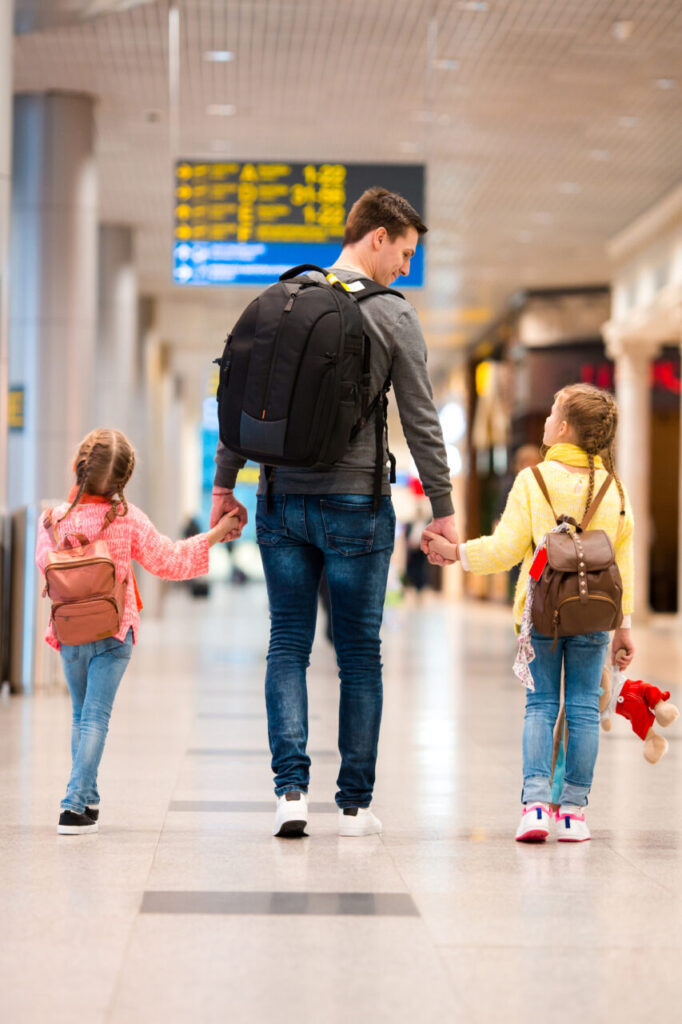
Families should have pre-trip safety conversations.
Before departure, take five minutes as a family or travel group to discuss:
• Emergency meet up locations
• Communication plans if phones die
• Medical needs and prescriptions
• What to do if passports or wallets are lost
• How to respond if transportation is disrupted
These conversations are simple but powerful. When expectations are clear before a trip, reactions are calmer during unexpected moments.
Corporate travel and duty of care will continue to expand.
Beyond personal travel, organizations are increasingly recognizing their responsibility to protect employees who travel for work. In 2026, corporate duty of care includes:
• Monitoring destination specific risks
• Establishing clear emergency communication protocols
• Providing pre travel safety briefings
• Supporting employees with real time information during disruptions
• Conducting post travel debriefs when appropriate
Organizations that invest in travel risk planning are not only protecting their people. They are protecting operations, reputation, and long term resilience. Many leaders assume travel safety is handled once tickets are booked and insurance is secured. In reality, true preparedness involves planning, communication, and clarity around roles and response.
Whether you are planning spring break with your family, sending a college student on their first independent trip, or managing corporate travel for your organization, preparation is what transforms uncertainty into confidence.
In 2026, smart travelers do not assume safety. They prepare for it. If your organization is evaluating its approach to travel risk, emergency preparedness, or duty of care protocols, SEC partners with leadership teams to assess, plan, and strengthen practical safety strategies that protect both their people and their mission.