
Earlier this year, I came across a story that stopped me in my tracks. It was written by Jordan Ellis, a young woman born with a disability, reflecting on what might have happened to her had she been on the Florida State University campus during a recent active shooter incident. She wasn’t there, but she had attended the University of Florida and had many friends who attended both universities, making this tragedy feel close to home. And what struck me the most wasn’t her fear; it was her clarity. Her words brought to light something we don’t talk about enough in the world of safety and security, and that is how often individuals with disabilities are left out of emergency planning altogether. I invited Jordan to share more about her experience, and what she wrote is powerful, honest, and deeply important. Below is her story and some important guidance on how schools and organization can be inclusive in their safety and security initiatives.
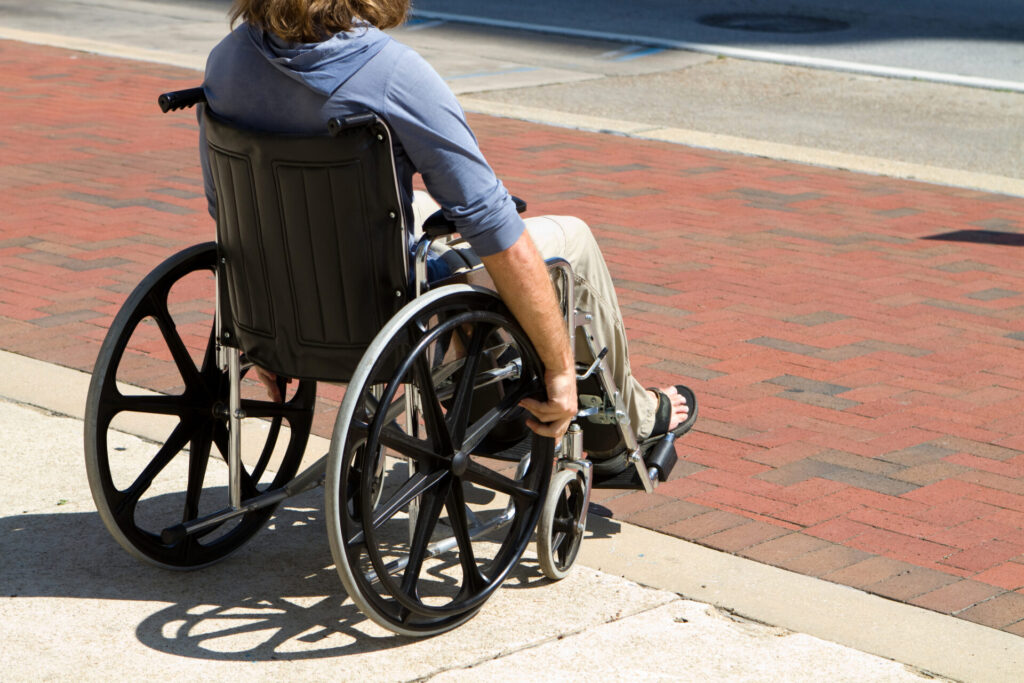
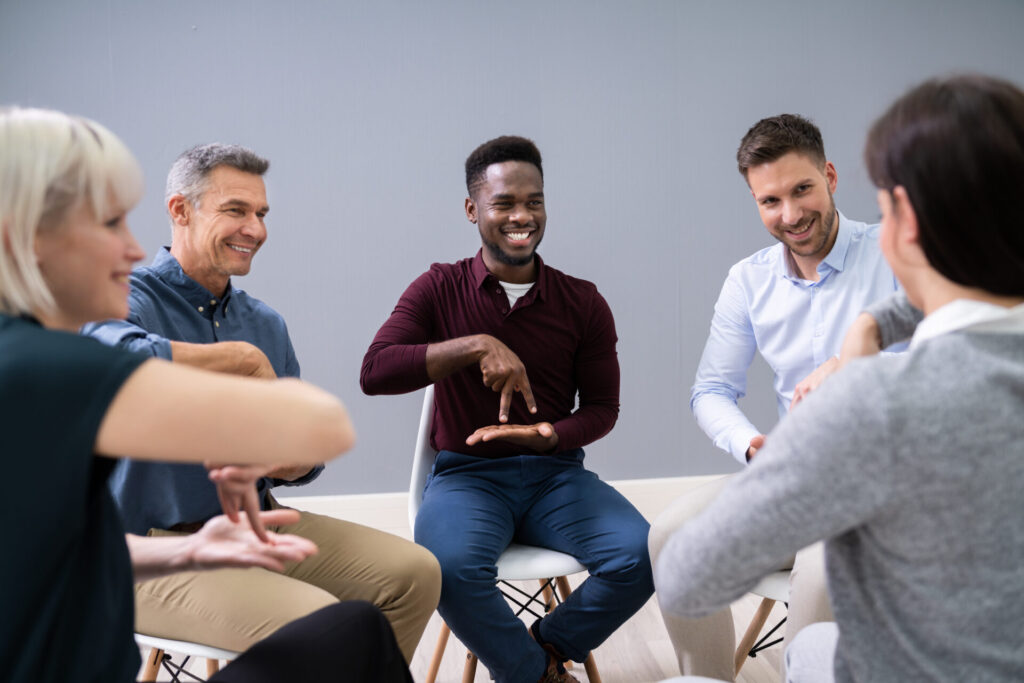
Jordan Ellis’ Story
“As someone who has been disabled my entire life, accessibility is something that is always on my mind. 27 years of living the way I do has taught me that being successful in this world that isn’t built for someone like me largely comes down to one thing: planning.
The fact of the matter is that the level and version of accessibility is going to look different in every space that I enter. So, thinking ahead and making a plan has been my secret to how my two forearm crutches and I conquer the world.
About two months ago, there was a fatal shooting right outside my workplace. Normally the front door is where I enter, to avoid the side entrance with stairs, but because I was running late that morning, I chose to come around the side door in the parking lot, to cut around some traffic. The shooting happened 3 minutes before I arrived. Being late and choosing a different door saved me from walking right into the incident. How close the timing of everything was really got my brain reeling again: what do I do in emergency?
How do I plan for a situation no one ever saw coming? If everyone is running, which is something I cannot do, how do I get to safety quickly? What if I can’t get out? What then?
As I’ve thought back on my life and thought about being a disabled person in the midst of any kind of emergency, my brain has still come to the same answer: sometimes, accessibility includes just making a plan.
The best example I can think of is to take you back to my childhood. In elementary and middle school, I never remember feeling nervous at school. I was aware enough to know emergencies could occur, but I didn’t feel the fear I’ve experienced later in life of “what do I do?” or “how do I get out?” And today, I am confident that I never felt these things because my school had worked with me from the moment I was a part of their student body.
We had a plan from day one.
For every fire drill, I had a point person. For my entire tenure at that school, there were two teachers who were on call. If an alarm went off, they knew instantly: it is my job to get Jordan out.
I can still see it in my head. My fifth-grade teacher always finding me, smiling his big, comforting smile, and asking if I was ready to go. I’d get on his back, and we’d take on my school’s winding spiral staircase with ease. Never once was I afraid. Never once did I question if I’d be able to get out to safety.
I believe there is a stigma around accessibility that it is this big, complicated and maybe even expensive thing. Some aspects of it take an extra step or two maybe, sure. And of course, there are physical resources that can make an emergency plan more accessible for all, but I really believe the foundation is simple.
I believe the foundation is as simple as having a conversation. If you have young children in your classroom who are disabled, think through the things they don’t yet have the capacity to know. Help them find people to point to and lean on. Sit them down and tell them what you’re thinking. Answer their questions, and make sure you do your best to expel fear with preparation.
Truly, I cannot fully express to you how impactful it is to hear: if everyone else is running, I will get you to safety. If you are an adult with a disability yourself, nobody wants to think about these things, but you should. In your workplace, which door is easiest and closest to you? Can you hide somewhere quickly? Do you have a point person if you need help? Are there any further resources you need to act safely? If there are, don’t be afraid to speak up and ask. Accessibility starts with advocacy.
People often think that accessibility is just for those of us who live with a disability now. In reality, it’s not- it’s for everyone. In my opinion, accessibility is not an “if”, it is a “when.” Every single human will age, and accessibility needs is something that often meets us in the aging. Beyond the inevitable, injuries occur, too. And when you’re injured, accessibility is what you’ll look for.
Sometimes, the simplest steps can lead to the largest impact. When it comes to accessibility in emergency situations, I really believe one small thing can change lives. Maybe even save them.”
At Secure Environment Consultants, we believe accessibility is not a side conversation—it must be central to any conversation about safety.
Jordan’s story powerfully illustrates what we see far too often in our work: individuals with disabilities are frequently left out of safety planning conversations, simply because those designing the plans didn’t know where to begin. The following recommendations should always be considered within your school or organization:
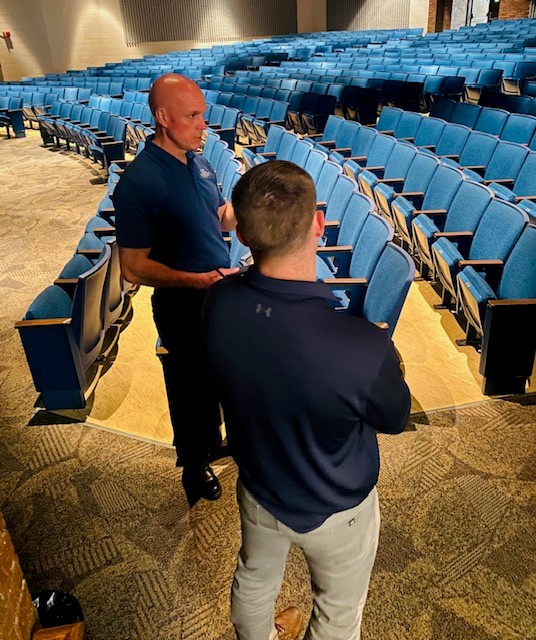
- Include individuals with disabilities on your safety team. If you're creating emergency protocols, make sure those who live with disabilities have a seat at the table. Their lived experience offers insights no policy manual can replicate.
- Assign point people in emergency plans. Just like Jordan’s teachers who took responsibility during every fire drill, every organization should designate staff or team members who are specifically assigned to assist individuals with mobility, cognitive, or sensory challenges during emergencies.
- Build accessibility into drills. Emergency drills don’t always account for those who can’t evacuate in the same way or at the same speed as others. Include adaptive protocols in fire drills, lockdowns, and evacuation exercises. Then practice inclusive response.
- Visual & auditory alerts. Install alarm systems that include flashing lights, vibrating notifications, and visual signage to support those with hearing impairments or sensory sensitivities.
- Accessible egress routes. Ensure exits are clearly marked and accessible. Consider areas of refuge with two-way communication systems where individuals can safely wait for assistance if evacuation isn't immediately possible.
- Evacuation equipment. Tools like evacuation chairs, sleds, or transfer devices can be strategically placed near stairwells or exits—especially in multi-story buildings.
- Digital safety tools. Implement mobile apps or panic buttons that allow staff or students with disabilities to request help discreetly in a crisis.
We don’t prepare for emergencies because we expect the worst. We prepare because everyone deserves the best chance to survive—and thrive. If your school or organization needs help assessing your emergency protocols through the lens of accessibility, we’re here to help.
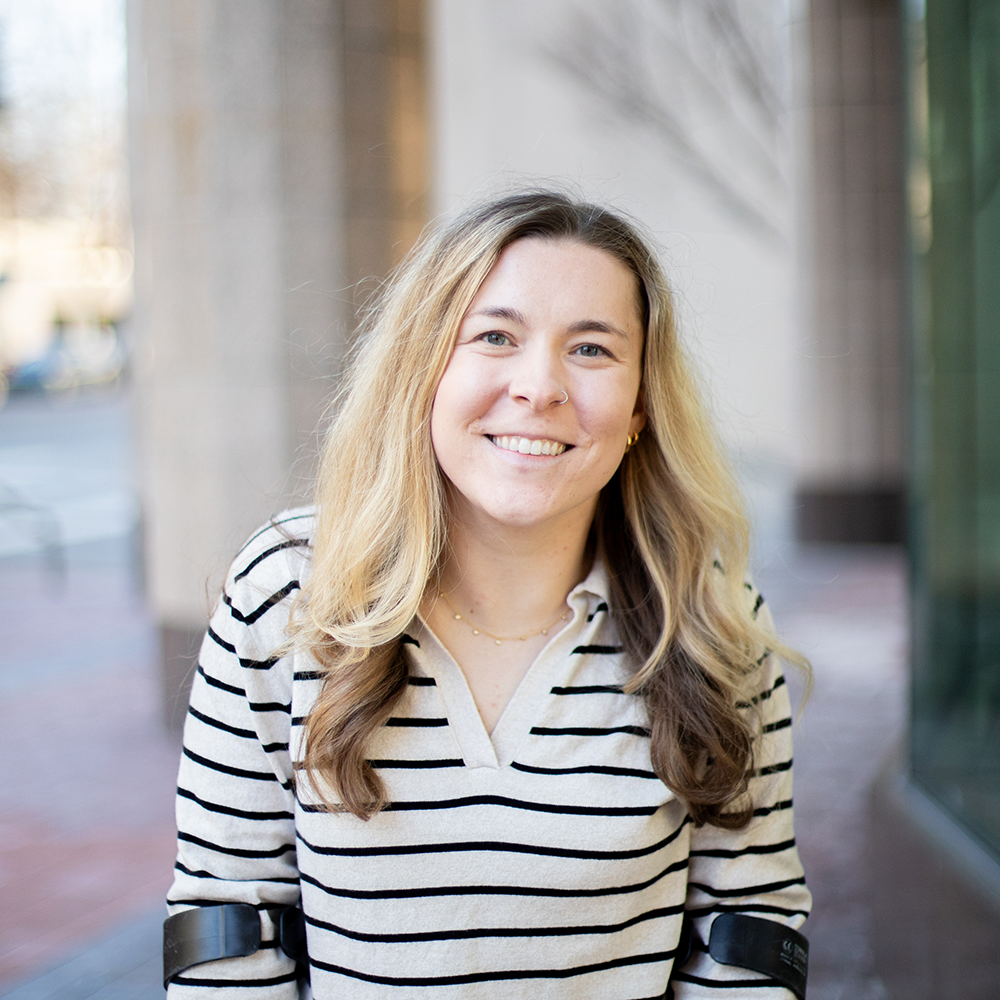
Jordan Ellis, Communications Associate at Foundry Commercial
We're excited to feature guest blogger Jordan Ellis, a passionate writer and communications professional currently supporting PR efforts at Foundry Commercial.
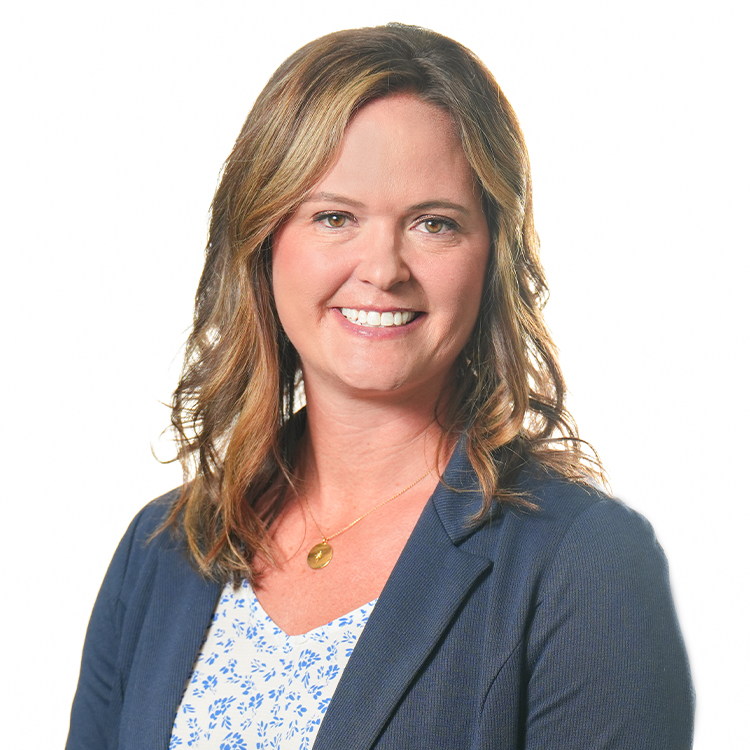
Kendra Bylsma, Director of Business Development & Marketing, SEC
At SEC, Kendra drives national growth and brand strategy through strong relationship-building, content creation, strategic insight, and a passion for making safety resonate across industries.