
Why workplace violence prevention matters
Workplace violence is one of the most underreported yet fastest-growing risks facing organizations today. According to SHRM, nearly 1 in 3 employees have experienced or witnessed workplace violence, and most incidents occur without warning. Research also shows that organizations with formal prevention plans and training in place experience fewer incidents, faster response times, and stronger employee retention.
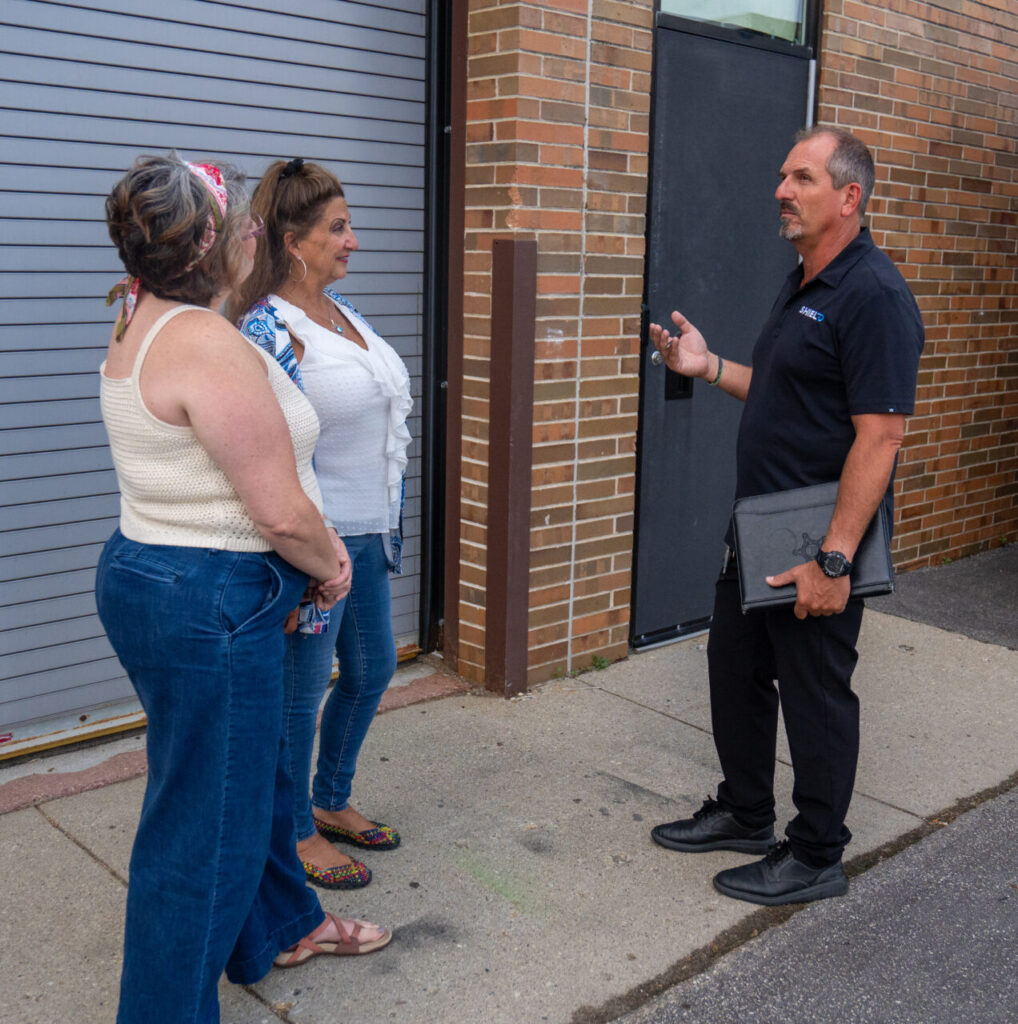
A thoughtful workplace violence prevention plan is not just about compliance; it is a responsibility to the people who show up every day to work, serve, and lead.
The impact of workplace violence
Workplace violence is also a financial, operational, and reputational risk. Even a single incident can have long-term effects on staffing, trust, productivity, and organizational stability.


- The average workplace violence incident costs organizations over $250,000 in legal fees, compensation, and recovery efforts.
- Nearly 40 percent of employees who witness or experience workplace violence consider leaving their job, leading to turnover, lost productivity, and disrupted culture.
- OSHA estimates that workplace violence accounts for almost $1 billion per week in lost productivity across U.S. businesses.
- Organizations without a prevention plan are more likely to experience delayed response times and higher liability exposure.
What counts as workplace violence?
- Physical threats or intimidation
- Harassment or aggressive behavior
- Domestic violence that spills into the workplace
- Threatening digital or verbal communication
- Insider threats or disgruntled employees
- Acts of violence toward staff, customers, or visitors
Most incidents escalate because warning signs were missed, roles were unclear, or staff did not feel confident in how to respond. A prevention plan provides clarity, confidence, and structure — so teams are not reacting for the first time during a crisis.
How SEC can support your team
SEC helps organizations build compliant, practical, and easy-to-implement workplace violence prevention plans. For California, these plans meet CA SB 553 requirements, and for all other states, they follow recognized best practices from OSHA, SHRM, and DHS.
Workplace violence risk assessments
Customizable planning templates
Consulting and guidance in policy development
Employee training (onsite, virtual, self-paced eSEC online)
Anonymous reporting line & 24/7 monitoring services
Compliance monitoring and annual review options
Best practices + SEC expertise
While some organizations may start with templates, real protection comes from building a plan that fits your environment, culture, and workforce. Industry research and legal guidance (OSHA, SHRM, CA SB 553, DHS) consistently highlight key elements that strengthen workplace violence prevention programs:
- Clearly defined roles and responsibilities
- Behavioral threat awareness and reporting pathways
- Early intervention strategies to address concerns
- Actionable response procedures for different scenarios
- Coordination with law enforcement and local EMS
- Documentation to satisfy regulatory and legal standards
- Annual training, review, and policy updates
Many organizations struggle to move beyond policy language, especially when navigating different state requirements and industry expectations. That is where our experience at SEC becomes valuable.
Ongoing support with SEC
Workplace violence prevention is not a one-time document or project. It is a living strategy that requires ongoing guidance and flexible support models to ensure policies are adopted, practiced, and sustained over time. Our eSEC Online Membership helps teams maintain readiness year-round by providing the following:
• Ongoing training refreshers
• Compliance tracking
• Access to security resources
• Staff onboarding tools